It is important to us that our operations are as clean and responsible as possible from an environmental perspective
We are committed to developing the responsibility of our operations and comprehensively assessing our environmental impact. Our management system is certified in accordance with the ISO 14001 environmental standard, which forms the basis of our environmental programme. We closely monitor the impact of our waste-to-energy plant’s operations on the environment, including air quality, water systems and vegetation. Ensuring compliance with environmental permit requirements is a key priority, and we utilise advanced measurement methods and technologies to support this work.
We closely monitor the impact of our plant’s operations on the environment, including air quality, water systems and vegetation.
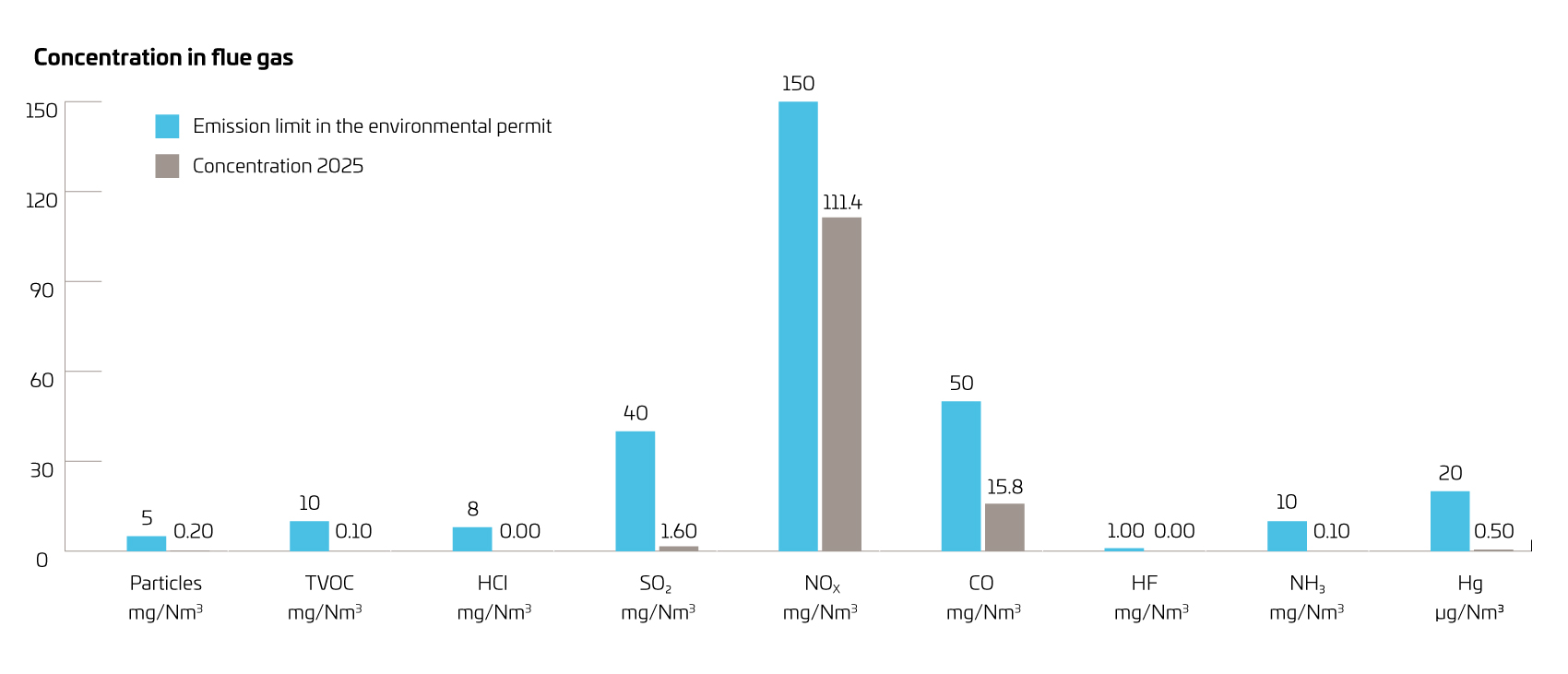
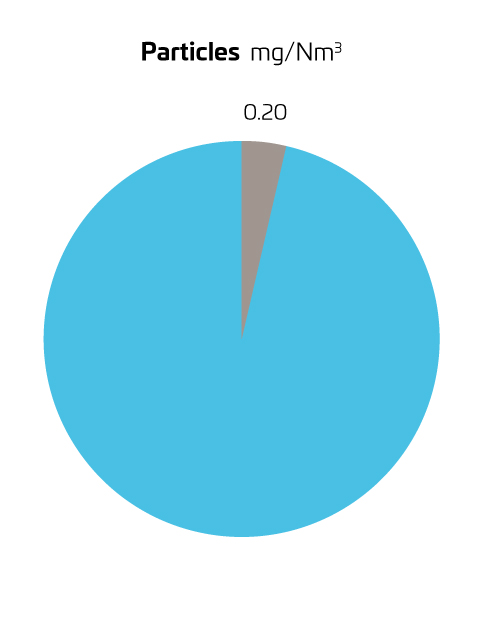
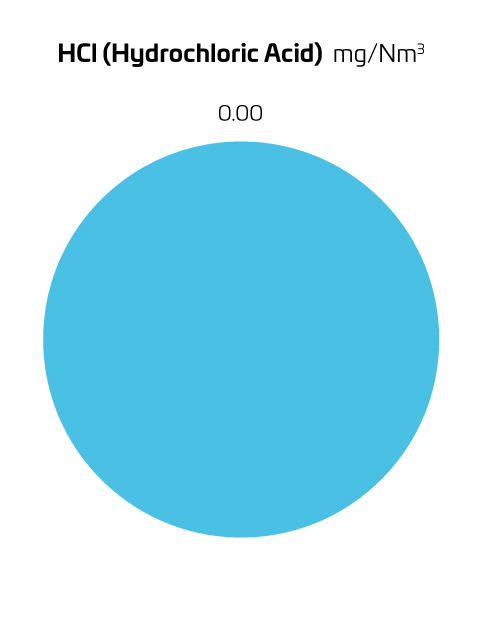
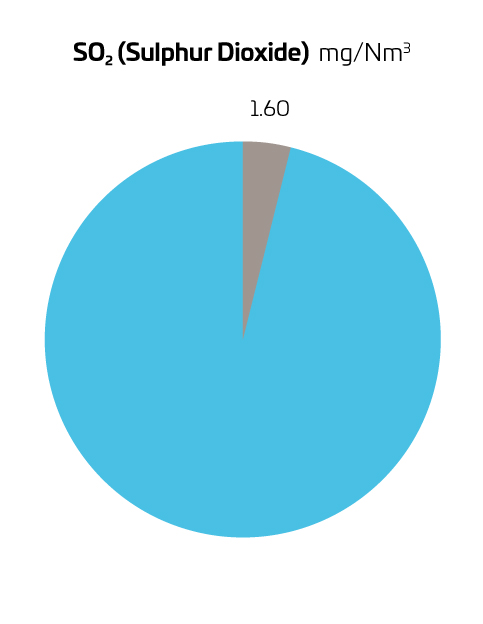
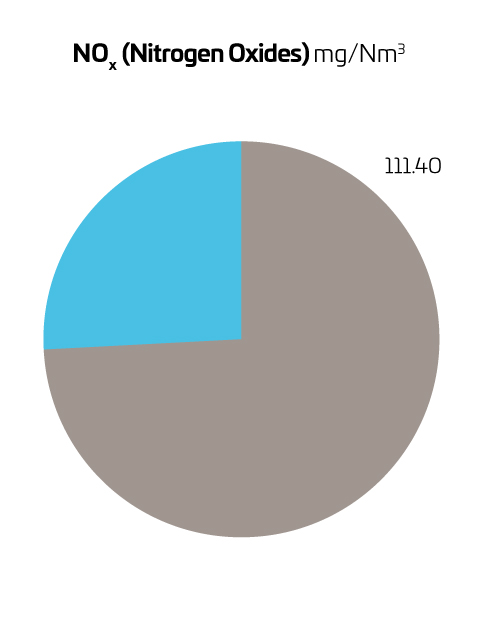
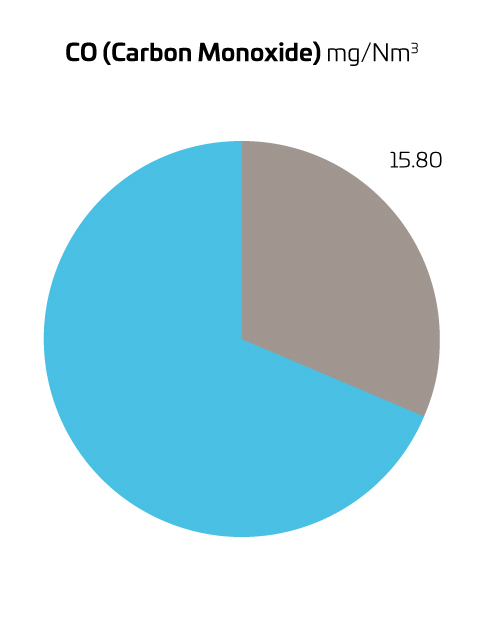
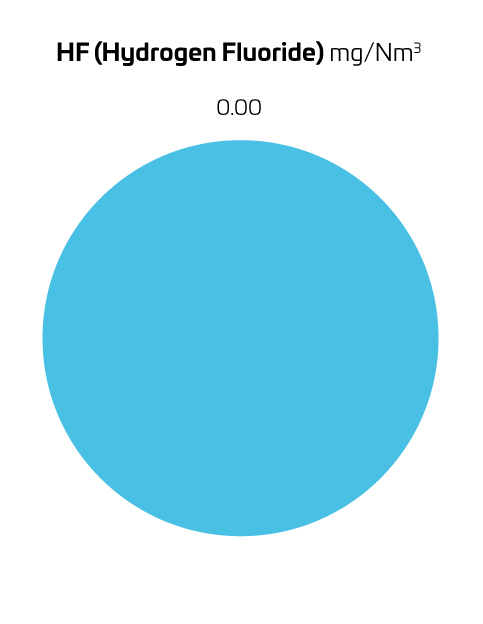
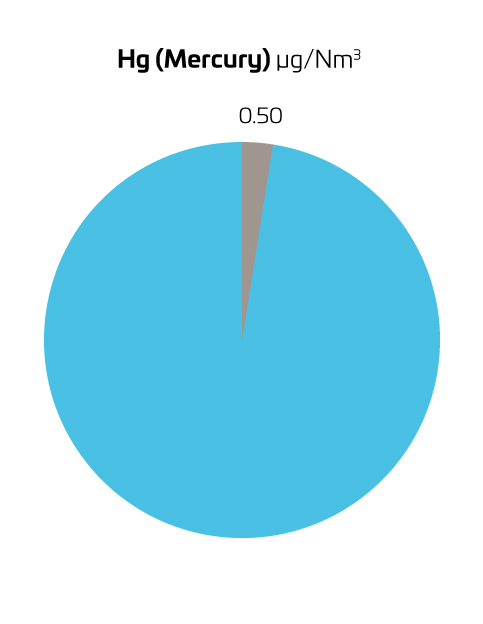
Monitoring air emissions is a crucial part of environmental impact assessment. We conduct continuous air emissions monitoring and report the results regularly to the authorities. The diagrams below present the measurement results for 2025: the full pie chart represents the permitted limit value for each pollutant as defined in the environmental permit, while the grey area inside the circle indicates the actual measured concentration.
The results of the continuous measurements in 2025



The results of the one-off measurements in 2025
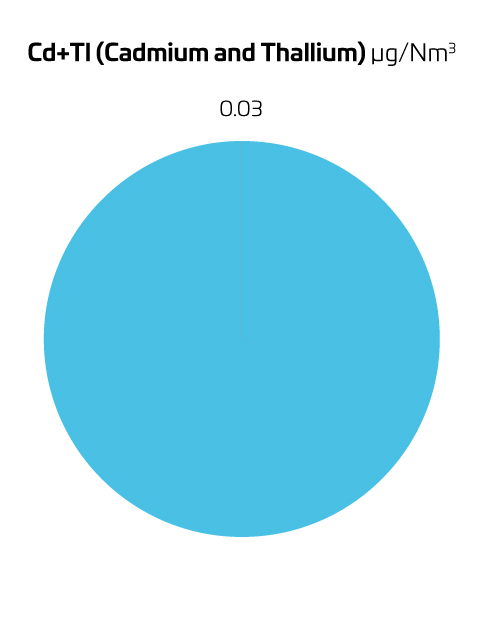
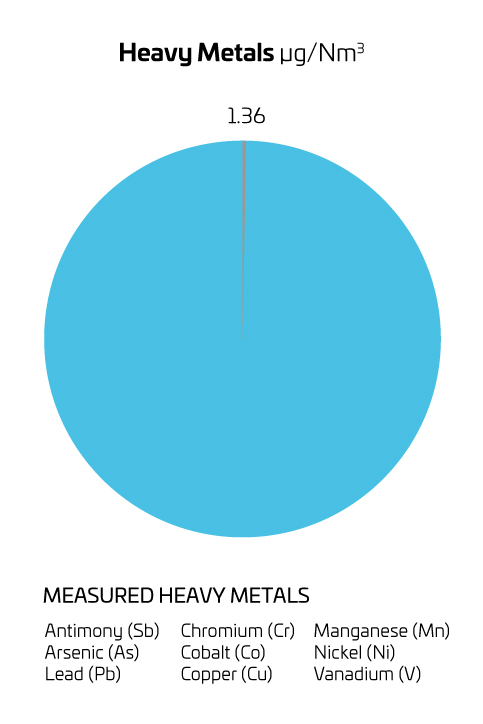
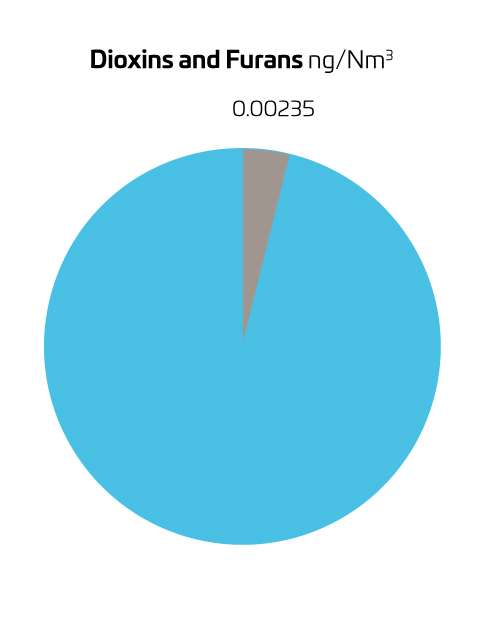
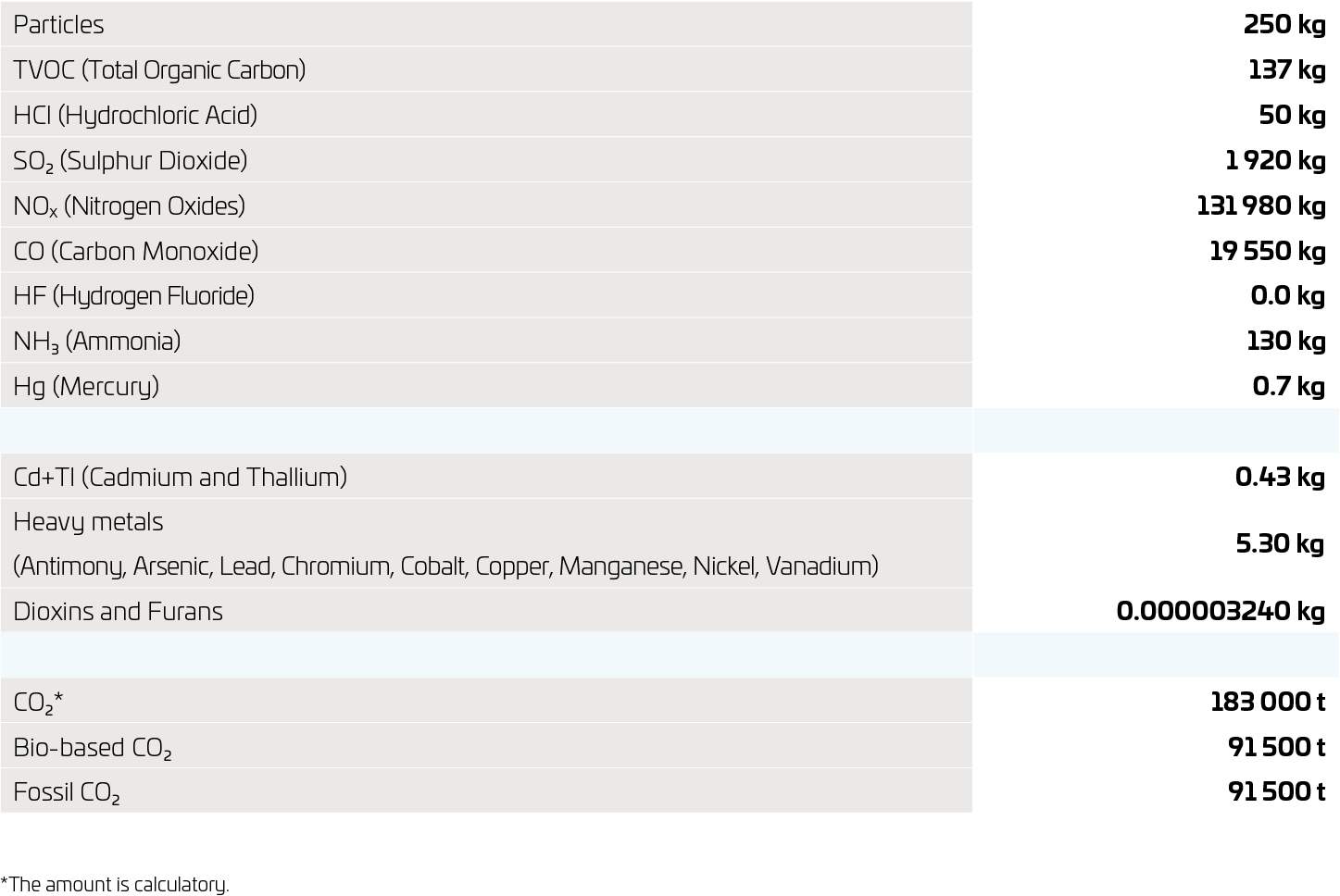
As the results indicate, flue gas treatment at Westenergy’s plant is of a high standard. Although emission limits have become stricter in recent years, we have managed to meet them with excellent results, particularly by the flue gas scrubber introduced a few years ago. The scrubber effectively removes acidic impurities from flue gases.
Our goal is to start capturing carbon dioxide from flue gases within the few next years, which will significantly reduce the plant’s carbon footprint. Preparations for carbon capture have included the development of monitoring and reporting practices relating to the carbon dioxide emissions at our plant. The background work was brought to fruition in 2025, when carbon dioxide emissions were reported to the authorities’ system for the first time in accordance with the monitoring plan.
Our goal is to start capturing carbon dioxide from flue gases over the few next years, which will significantly reduce the plant’s carbon footprint.
We also monitor our waste-to-energy plant’s environmental impact on water systems. This includes monitoring the composition of the condensation water formed in the flue gas treatment process as well as monitoring the quality of nearby surface and groundwater. No significant changes have been observed in condensation water composition or in the quality of the surface and groundwater during the plant operation. In addition, condensation water is now utilised in our plant’s processes, reducing our reliance on external water sources, namely the municipal water supply. This is part of a broader circular economy approach, where water is recycled within the plant while maintaining high quality. The plant’s water treatment process functions flawlessly, as confirmed by monthly sample analyses.
We also regularly monitor the condition of vegetation in the vicinity of the plant in collaboration with external experts. Particular attention is given to the kidney lichen (Nephroma bellum), which grows in the Vedahugget conservation area. Regular observations have shown no significant changes in its occurrence. The most recent observation period was conducted in the summer of 2025.
We actively monitor developments in environmental and climate regulation at both the EU and national levels.
We actively monitor developments in environmental and climate regulation at both the EU and national levels. In 2025, regulatory changes were anticipated in connection with the Industrial Emissions Directive, while at the national level, environmental administration was restructured with the establishment of the Finnish Supervisory Agency. The aim of the new authority is to harmonise environmental practices and streamline licensing processes, with impacts expected to become apparent in stages over the coming years. At the same time, we have continued to prepare for potential regulatory changes in climate policies and emissions trading. While the changes have not yet been reflected in the plant’s daily operations, we are systematically preparing for possible future requirements as part of our environmental programme.
Waste quality monitoring
Monitoring waste quality is also a key part of environmental permit compliance and environmental impact management at Westenergy’s plant.
From an environmental perspective, waste quality monitoring is essential, as it is a fundamental requirement of environmental permits and plays a crucial role in managing the plant’s environmental impact. Waste is a highly diverse raw material, and its quality affects not only environmental protection measures but also the efficiency of energy production processes. Incorrectly sorted waste fractions can pose challenges to process control, plant operations, and the efficiency of flue gas treatment. For this reason, waste quality monitoring is a vital part of our company’s environmental responsibility.
Last year, we inspected a total of 92 waste loads, which is three times the number required by the environmental permit.
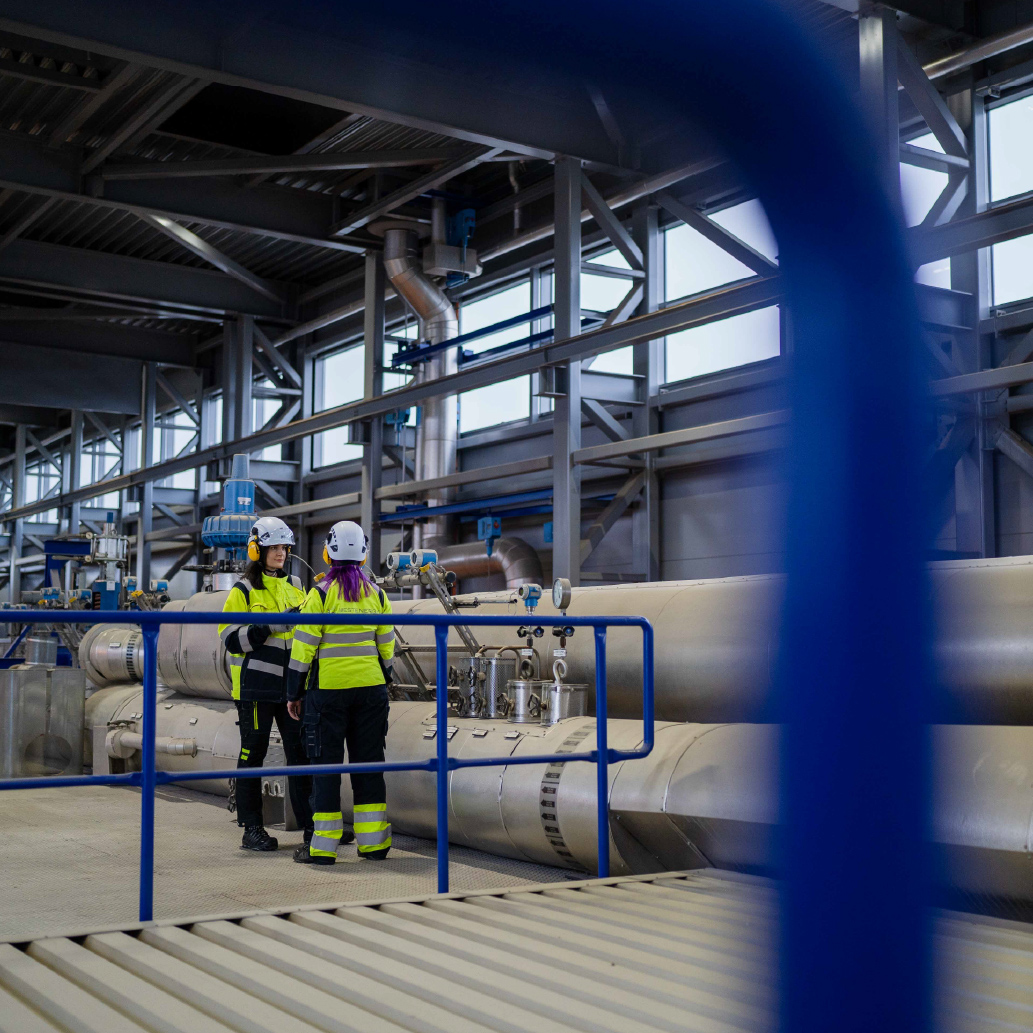
The environmental permit requires the inspection of at least 30 waste loads per year. Last year, we inspected 92 waste loads, corresponding to approximately 1,386 tonnes of waste. This was three times higher than the environmental permit requirements and the second highest in Westenergy’s history.
Inspections were particularly intensified in April, in connection with the annual maintenance shutdown of the waste-to-energy plant. Waste quality monitoring activities have been carried out at Westenergy since 2013 on a year-round basis, which highlights both the extent of the inspections and its significance for the quality of the operations and environmental responsibility.
In the future, waste quality monitoring is to be automated with the help of artificial intelligence solutions.
We are constantly focusing on developing waste quality monitoring to make it even more effective. Traditionally, inspections have been conducted as visual observations. However, the aim is to automate waste quality monitoring alongside manual practices in the future. Since 2024, we have focused on the research and development of AI-assisted waste identification and monitoring systems as part of the Ekoälyä project. Artificial intelligence-assisted solutions can, for example, improve the detection of incorrectly sorted waste, reduce human contact with waste, and thus help mitigate environmental and occupational health risks.